

 Admin Eduhalls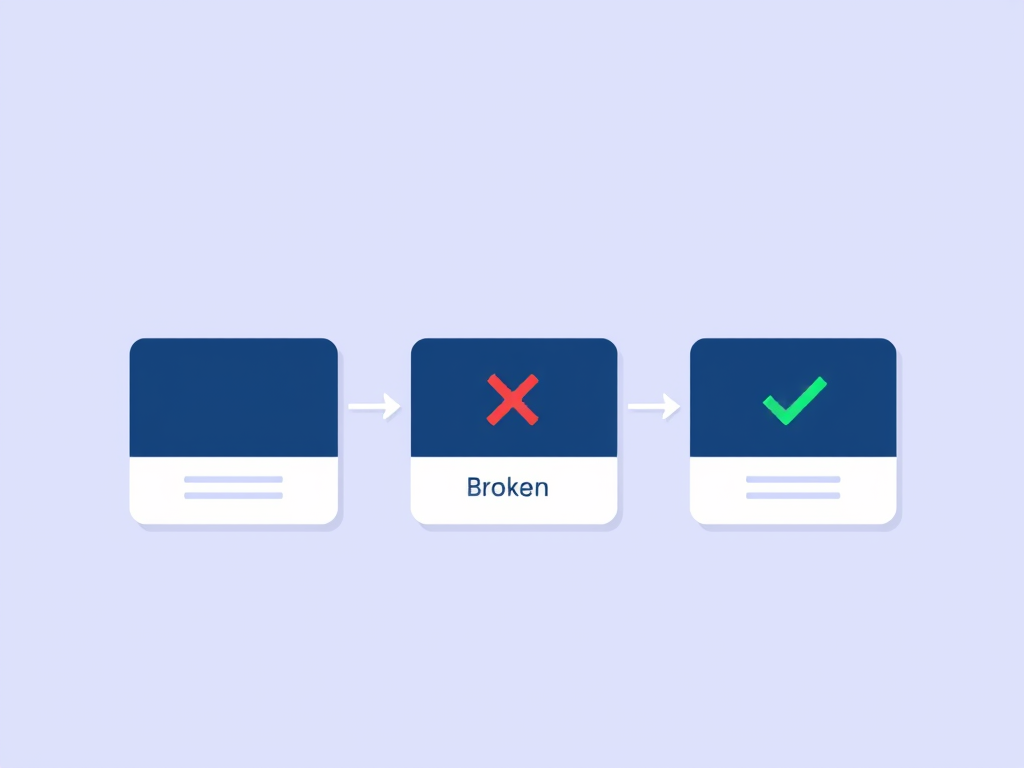
Most no-code automations break within weeks, not because the tool is weak,
but because the workflow was never mapped before building it.
The fix: before touching Airtable, Softr, or AppSheet, sketch the actual
data flow on paper first — what triggers the automation, what data it reads,
what it writes, and what happens when a field is empty or a step fails.
Skipping this step is the single most common cause of broken automations.
Second failure point: hardcoding values that should be dynamic — a fixed
email address, a fixed date, a fixed dropdown option. When the business
changes (a new hire, a new price tier), the automation quietly breaks
instead of adapting.
Third: no error visibility. A good automation logs failures somewhere
visible — a status column, a notification — so a broken step gets caught
in a day, not discovered a month later when someone asks why nothing
happened.
Map it first, keep it dynamic, make failures visible. That’s the difference
between a workflow that lasts and one you’ll be rebuilding every quarter.
